Uncover Namibia Tours and Safaris: Your Ultimate Guide to Adventure
Namibia is recognized as a top-tier destination for adventure seekers and wildlife enthusiasts. Its breathtaking scenery and diverse wildlife offer a stunning canvas for remarkable encounters. From the majestic sand dunes of Sossusvlei to the sweeping plains of Etosha National Park, there is a wealth of wonders to explore. Numerous safari choices are available to suit varying preferences and passions. The experience delivers not only spectacular vistas but also meaningful cultural immersion. What awaits travelers in this enthralling land?
Premier Destinations to Uncover in Namibia
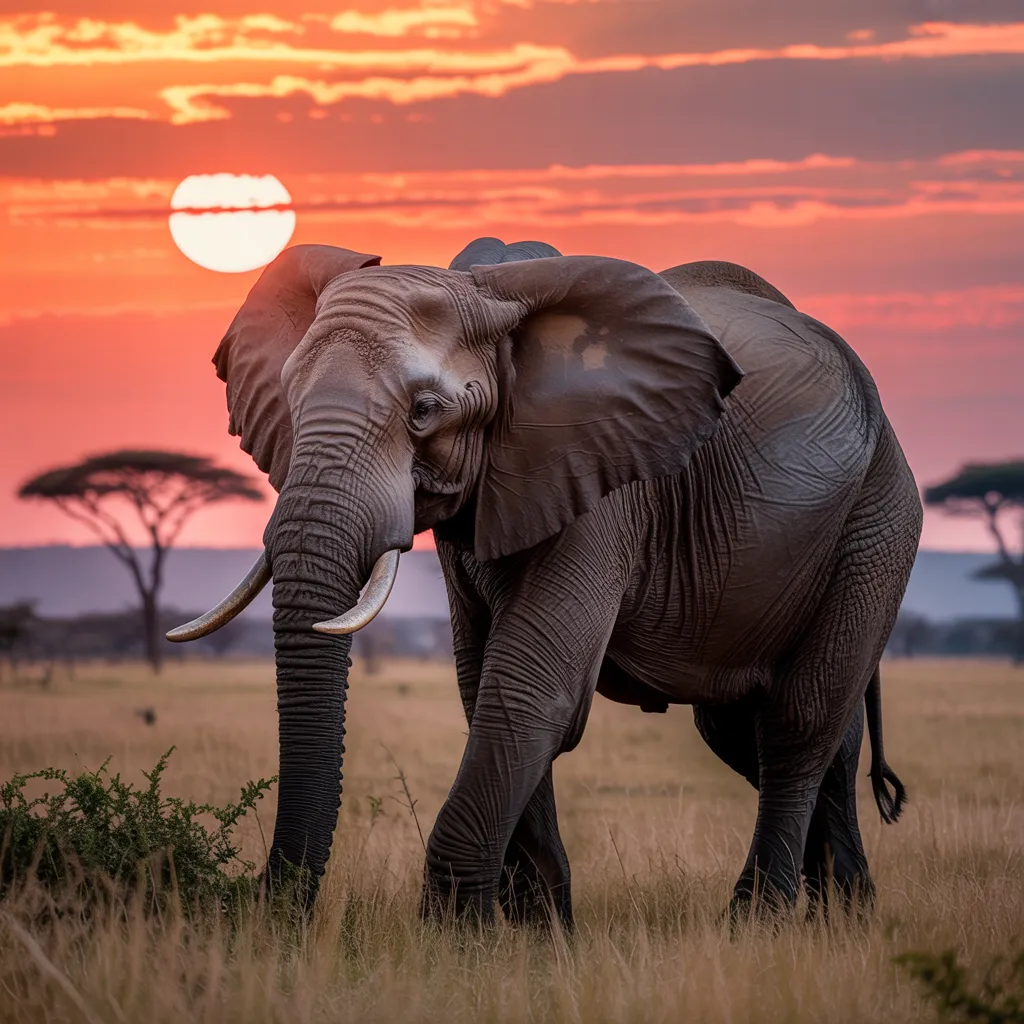
When organizing a journey to Namibia, travelers will uncover a wealth of stunning destinations that showcase the country's rich landscapes and wildlife. The iconic Sossusvlei, with its majestic red dunes, beckons adventurers to discover the surreal beauty of the Namib Desert. Etosha National Park stands out for its exceptional wildlife viewing, showcasing elephants, lions, and rhinos that wander its vast salt pans. The Skeleton Coast, with its dramatic shoreline and shipwrecks, delivers a captivating yet eerie experience for nature enthusiasts. Damaraland, known for ancient rock art and the unique desert-adapted elephants, provides an insight into Namibia's diverse historical legacy. Additionally, the Fish River Canyon, one of the largest canyons in the world, offers stunning hiking opportunities. All of these locations offer a unique perspective on Namibia's natural wonders, establishing it as an ideal destination for travelers seeking adventure and exploration.
Optimal Times to Visit Namibia
What is the optimal time of year for visitors traveling to Namibia? The most favorable time to experience this remarkable country is during its dry season, commonly extending from May to October. During these months, temperatures are cooler, making outdoor activities and wildlife viewing more comfortable. The scenery across Namibia becomes especially dramatic during the dry season, as reduced rainfall improves visibility and showcases the remarkable geological features.
In contrast, the rainy season, from November to April, introduces higher temperatures and intermittent showers, resulting in lush vegetation and a vibrant atmosphere. Nevertheless, wildlife may be harder to observe during this time, as creatures scatter across the landscape seeking hydration.
In the end, the decision of when to visit Namibia copyrights on travelers' preferences for wildlife observation versus exploring the country's verdant landscapes. Each season offers a distinct perspective on Namibia's natural beauty.
Types of Safaris Available
Namibia provides a diverse range of safari experiences that suit different interests and preferences. Outdoor enthusiasts can select from self-drive safaris, providing a customized exploration of the country's magnificent landscapes, or guided excursions led by knowledgeable rangers, guaranteeing an educational experience. For those interested in photography, dedicated photo safaris present ample opportunities to document Namibia's breathtaking vistas and vibrant wildlife.
High-end safaris, providing lavish amenities and restricted access to private game reserves, draw in guests who wish to combine luxury with exploration. Eco-conscious safaris focus on sustainability, focusing on conservation efforts while immersing guests in Namibia's natural beauty. Cultural safaris offer insights into the traditions of indigenous communities, adding profound depth to the travel experience. Finally, family-friendly safaris are tailored to engage younger travelers, guaranteeing an unforgettable adventure for every generation. Every safari style offers distinctive experiences, establishing Namibia as a top-tier destination for every type of explorer.
Remarkable Wildlife Adventures
Exploring Namibia's varied safari types readily provides extraordinary wildlife experiences that are unmatched in their richness and variety. The nation's immense landscapes, from the dry Namib Desert to the verdant wetlands of the Okavango, create habitats for an outstanding array of wildlife. Visitors can witness the iconic Big Five—lion, elephant, buffalo, leopard, and rhinoceros—in their native habitats, often during exciting guided game drives or bush walks.
Furthermore, Namibia is home to remarkable species such as the desert-roaming elephants and black rhinos of Damaraland. Avid birders can delight in spotting elusive avian species, including the spectacular African fish eagle and the dazzling lilac-breasted roller. The nation's dedication to conservation secures that these incredible wildlife encounters remain environmentally responsible, enabling visitors to witness the splendor of nature while sustaining local ecosystems. Every wildlife expedition in Namibia is an opportunity to forge a meaningful bond with the wild and cherish nature's treasures.
Cultural Interactions and Local Communities
How do cultural engagements elevate the overall travel experience in Namibia? Interacting with local communities enables visitors to develop a richer appreciation of the country's varied cultural heritage. Namibia hosts a number of indigenous communities, such as the Himba, San, and Damara, each distinguished by their own traditions, languages, and ways of life. Travelers frequently take part in traditional rituals, explore centuries-old crafts, and sample genuine local cuisine, creating lasting and meaningful bonds.
Such exchanges not only enhance cultural appreciation but also support local economies. Several grassroots tourism initiatives make certain that a percentage of the earnings directly supports the communities engaged, encouraging environmentally and socially sustainable approaches. Travelers can witness the challenges and triumphs of these communities, acquiring valuable perspectives on their perseverance and flexibility amid a shifting global landscape. At their core, cultural interactions throughout Namibia elevate the travel experience, turning simple tourism into deeply meaningful encounters that linger in the memory well beyond the journey.
Key Packing Tips for Your Journey
When planning a trip to Namibia, it is important to contemplate what items to pack for a pleasant and memorable experience. Tourists should prioritize breathable, comfortable attire suitable for both sunny days and cooler nights. Muted-colored outfits is advisable to blend in with the stunning landscapes while deterring unwanted insects. Durable footwear are a must, particularly for those setting out on wildlife expeditions or venturing through natural parks.
Sun protection is critical; consequently, including a wide-brimmed hat, sunglasses, and high-SPF sunscreen in your bag is highly suggested. A refillable water bottle will help stay hydrated during excursions. Moreover, bringing a reliable camera or smartphone with sufficient storage is key to documenting the magnificent scenery and wildlife.
Tourists ought to bring along basic personal care items, a fundamental first aid kit, and any individual medical supplies. Additionally, a reliable power adapter suited to Namibia's electrical outlets ensures that devices remain charged throughout the trip.
Top Tour Operators and Packages
Selecting the right tour operator can significantly enhance a traveler's experience in Namibia, as numerous agencies offer customized packages that address different preferences and price ranges. Travelers looking for premium travel, agencies like Wilderness Safaris deliver high-end accommodations and unique experiences in secluded destinations. Thrill-seekers may opt for agencies such as Chameleon Safaris, which specialize in small group tours and self-guided driving experiences, providing a more intimate relationship with the landscape.
When it comes to family-oriented excursions, Namibia Tours and Safaris offers extensive packages that include activities suitable for all ages. Travelers on a budget can explore economical alternatives with companies like Eco Travel, which prioritize eco-friendly travel while maintaining affordability. Each provider showcases tailored itineraries, featuring renowned destinations such as the Namib Desert, Etosha National Park, and immersive encounters with indigenous communities. In the end, choosing a trustworthy tour operator is essential for a fulfilling and memorable journey across Namibia's stunning scenery.
Questions Our Clients Often Ask
What Is the Standard Cost of a Namibia Safari Tour?
The standard cost of a Namibia safari experience typically ranges from around $150 to $500 per person per day, influenced by factors such as accommodation, inclusions, and the specific activities chosen during the trip.
Are There Health Precautions to Consider When Visiting Namibia?
Those planning a trip to Namibia are advised to get vaccinations for hepatitis A, typhoid, and malaria prevention, review now especially in rural areas. Staying hydrated, using insect repellent, and carrying a first-aid kit are strongly suggested to ensure a safe trip.
What Type of copyright Is Required for Visiting Namibia?
Tourists visiting Namibia are usually required to obtain a copyright, which may be secured before arrival or at the point of entry, according to the visitor's country of origin. Travelers are encouraged to review the applicable copyright rules according to their specific situation.
Is Solo Travel in Namibia Safe?
Traveling solo in Namibia can be safe, most notably for seasoned adventurers. Vigilance is recommended in metropolitan zones, as outlying territories present magnificent vistas and minimal dangers. Mindfulness and planning improve both security and pleasure throughout the journey.
Is It Possible to Rent a Vehicle for Self-Drive Safaris in Namibia?
Absolutely, tourists can lease vehicles for solo-drive safaris in Namibia. A wide variety of vehicle rental companies offer a array of vehicles, including 4x4 vehicles ideal for the varied terrains, guaranteeing an thrilling and freedom-filled exploration.